 AI Essay

On this page
Free browser-based organizer
Build a response to reviewers, one comment at a time
Add a letter heading and brief revision overview, then keep every comment, response and manuscript locator together. This tool does not decide whether a reviewer is right or predict an editorial outcome.
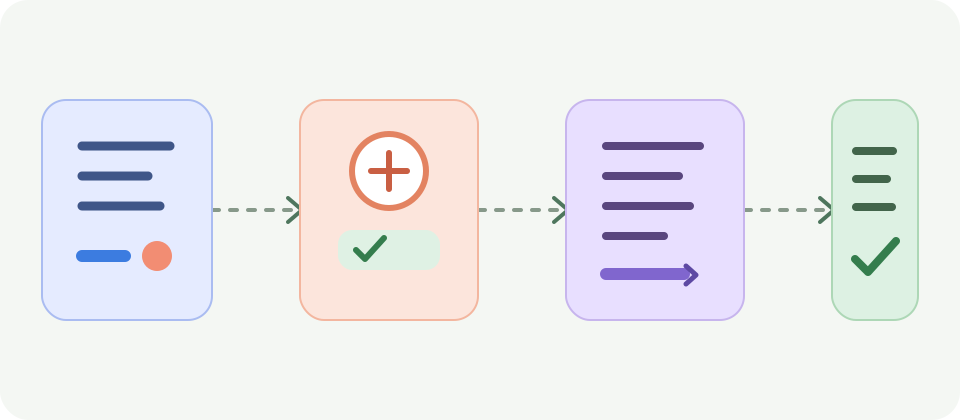
One blank comment record is ready.
How to respond to reviewer comments
Start by reading the editor’s decision and the journal’s revision instructions together. Make a complete list of editor and reviewer comments, keeping each person’s comments in a separate section. Do not assume that a response letter has one required format: the target journal may specify a portal, file structure, anonymity rules or deadline.
PLOS Medicine asks authors to respond to every editor and reviewer point and to identify manuscript changes. Its instructions also describe separate response, marked-up manuscript and clean manuscript files. Other journals may request different materials. Use this organizer to prepare a traceable draft, then follow the exact submission instructions for your journal.
Build a point-by-point response
Copy the complete comment, label its source and number it. Under each comment, state what you did: revise the manuscript, explain why no change was made, ask the editor to clarify a request, or leave the item unresolved until you can check it. Address compound comments in smaller numbered parts so that every concern receives an explicit response.
When you changed the paper, describe the change and give the location requested by the journal, such as a section, page and line range. Include a short excerpt only when it helps the editor locate or evaluate the revision. Recheck page and line numbers against the final manuscript file; they can shift after formatting.
How to disagree respectfully with a reviewer
You do not have to make a change you believe would weaken the paper or exceed what the evidence supports. Do not leave the point unanswered: acknowledge the concern, explain the relevant evidence or scope, and state whether you clarified the manuscript to prevent a misunderstanding. Keep the reply specific and professional, and ask the editor when the request is ambiguous or conflicts with another instruction.
A response letter is part of an editorial exchange, not a guarantee of acceptance. Do not claim that a change resolves a concern unless the revised manuscript actually makes that change. Keep confidential review comments within the journal’s permitted process; some journals publish peer-review histories or response letters.
A constructed point-by-point response example
Fictional practice only: imagine a manuscript describes respondents from one district, while one sentence in the conclusion refers to “schools across the country.” A reviewer asks the authors to justify that broader wording. The example supplies no real study, data, review report or journal decision.
A traceable response could say: “Thank you for pointing out the mismatch in scope. We narrowed the conclusion to describe the participating district and added a limitation explaining that the sample does not establish whether the finding applies elsewhere. The revised text appears in the Discussion, page 9, lines 214–220.” Those locations are illustrative placeholders. Use them only if they match the actual change and final manuscript; do not add a generalization or a new analysis that the evidence does not support.
Prepare and check the revision files
Before resubmission, compare the response letter with the revised file. Every “we changed” statement should point to a real change; every comment should have a response or an explicitly open question. Then prepare the clean and marked-up versions, supplemental files and anonymized copies the journal requests. Check the journal’s own author instructions for filenames, formatting and review-model requirements.
The organizer below runs in your browser tab. It does not upload or save entries. Reviewer reports can contain confidential information, so avoid entering material unless you are permitted to process it in this browser and device. Downloaded response files remain under your control and should be stored according to your journal, institution and coauthor agreements.
Questions about this topic
What should a response to reviewers include?
Usually a separate, traceable response to each editor and reviewer point, a concise account of the action taken, and the manuscript location of any change. Journal requirements differ, so use the target journal’s instructions as the final authority.
Should I respond to a comment if I did not make the requested change?
Yes. Explain specifically why no change was made, using the study’s evidence, scope or journal guidance where relevant. Ask the editor to clarify an ambiguous or conflicting request.
Do I need to include page and line numbers?
Many journals request locations, but the format varies. Add the locator requested by the journal and check it against the final revised manuscript after pagination and line numbering are complete.
Will this template get my paper accepted?
No. It helps organize a response and cross-check revisions. Editorial decisions depend on the manuscript, review, journal criteria and editor; no template can promise acceptance.
Are my reviewer comments uploaded?
No. Entries remain in the current browser tab until you clear or reload it. They are not uploaded or automatically saved. Review comments may be confidential, so follow the journal’s rules before entering or exporting them.
Sources and editorial notes
The supporting reading below informs our editorial guidance. Exercises and scenarios illustrate a method; they do not report a completed product test or measured learning outcome. Read our editorial policy or send a correction with a supporting source to info@ai-essay.com.